Current language:
The number of registered
animals is growing every day
Published: Jul 31, 2026
Summer is the perfect time for long walks, outdoor adventures, and spending quality time with your dog. However, high temperatures can put significant stress on your pet's body, making it essential to know how to care for your dog during hot weather. Unlike humans, dogs cannot regulate their body temperature as efficiently, so even routine activities such as walking or playing require extra caution during the summer months. Providing fresh water, access to shade, and planning activities wisely can greatly reduce the risk of dog overheating.
Dogs cool themselves differently than people do. Since they cannot sweat effectively, they rely on other natural mechanisms to release excess body heat. Understanding how your dog regulates body temperature will help you keep them healthy and safe during hot weather.
Dogs have sweat glands mainly in their paw pads. However, the amount of sweat they produce is minimal and not enough to cool their entire body. Walking on hot pavement not only increases body heat but can also burn your dog's sensitive paw pads.
The primary way dogs cool themselves is by panting. As moisture evaporates from the tongue and respiratory tract, excess heat is released. The hotter the environment becomes, the more intensely a dog pants. During extreme heat or prolonged physical activity, however, this natural cooling system may no longer be sufficient.
Most dogs instinctively search for cool surfaces, shade, or well-ventilated areas. Many enjoy lying on tile floors, concrete, or damp grass because these surfaces help transfer heat away from the body. Allowing your dog to rest where they feel most comfortable is one of the easiest ways to help them stay cool.
During very hot weather, dogs naturally reduce their activity levels. A slower walking pace or less interest in playing is often a normal protective response rather than a sign of illness. This is why walking your dog in hot weather should be shorter and adjusted to your pet's condition.
The relationship between dog muzzles and hot weather raises many concerns among pet owners. Dogs must be able to pant freely to regulate their body temperature. A tight-fitting muzzle can restrict breathing and interfere with this natural cooling process. During hot weather, choose basket-style muzzles that allow your dog to fully open their mouth and pant comfortably. If a muzzle is necessary, keep the wearing time as short as possible and avoid long walks in direct sunlight.
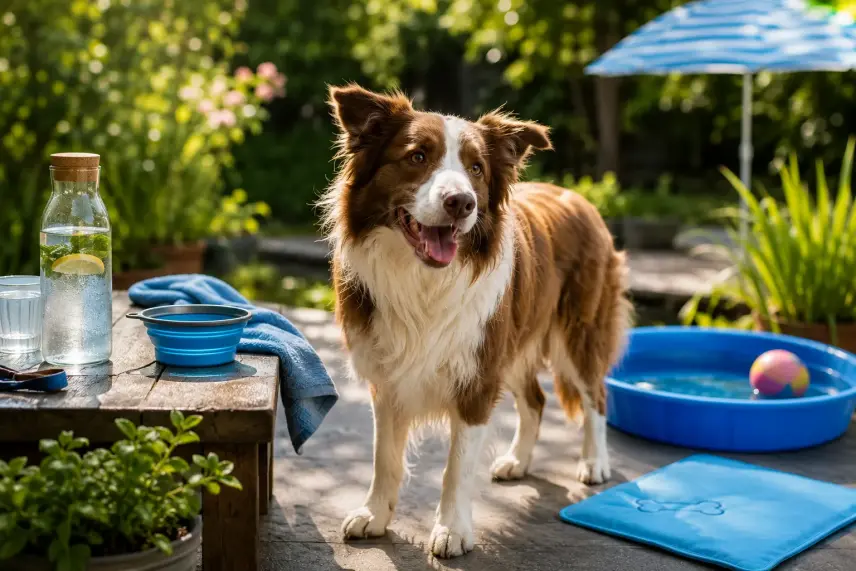
You don't need complicated solutions to help your dog stay comfortable during hot weather. Simple habits such as providing shade, limiting strenuous activity, and offering a cool resting place make a significant difference. Many owners also use cooling mats, damp towels, or well-ventilated rooms. If you're wondering how to cool down a dog, remember that cooling should always be gradual. Pouring ice-cold water over your dog can cause unnecessary stress and should be avoided.
One of the most important aspects of keeping your dog hydrated during summer is providing unlimited access to clean, fresh water throughout the day. This applies both at home and while you're out on walks. Carrying a bottle of water and a portable dog bowl is especially useful during longer trips. Proper hydration helps regulate body temperature and significantly reduces the risk of dehydration.
One of the easiest ways to improve your dog's safety during summer is to plan outdoor activities carefully. Early mornings and late evenings are usually the safest times for walks because temperatures are much lower. During the hottest part of the day, choose shaded parks and grassy areas instead of hot asphalt or concrete. A simple rule is this: if the pavement feels too hot for your hand, it is too hot for your dog's paws.
Many dogs enjoy cooling off in the water, although every dog has its own preferences. Gentle water activities help lower body temperature while providing fun and safe exercise.
A small paddling pool placed in a shaded area allows your dog to cool their paws and belly whenever needed. For many dogs, this is one of the safest and easiest ways to stay comfortable during the hottest hours of the day.
If your dog enjoys swimming, a trip to a lake can be an excellent summer activity. Always choose safe locations with gentle access to the water, avoid strong currents, and never leave your dog in direct sunlight for extended periods.
Not every dog enjoys swimming, but many love playing with a gentle stream of water from a garden sprinkler. It's an easy way to cool your dog down while providing enjoyable summer enrichment without excessive physical effort.
During hot weather, it's important to think beyond fresh water and offer your dog light, refreshing treats that help keep them cool. These don't have to be specialty products—many healthy options can be made from ingredients you probably already have at home. Just remember to use foods that are safe for dogs and serve them in moderation.
Ice cubes made with small pieces of watermelon, blueberries, or other dog-safe fruits can be a fun way to help your pet cool down. While they should never replace fresh drinking water, they make an enjoyable summer treat.
Chilled slices of cucumber, carrot, or zucchini are also excellent snacks. They contain plenty of water, are low in calories, and are easy on your dog's digestive system. Many dogs happily enjoy these vegetables, especially on hot summer days.
Another great option is filling a Kong toy with wet dog food or dog-safe yogurt and placing it in the refrigerator or freezer. Besides helping your dog cool off, this type of enrichment keeps them mentally stimulated and entertained during the hottest parts of the day.
Many owners wonder whether trimming their dog's coat will make hot weather easier to handle. The answer depends on your dog's breed, coat type, and individual needs. Not every dog benefits from having its coat shortened during the summer.
Regular brushing and removing loose undercoat improve airflow close to the skin, allowing your dog to regulate body temperature more efficiently. This simple grooming routine can significantly improve comfort during warm weather.
If you're unsure how to care for your dog's coat during summer, consult a professional groomer. They can recommend whether thorough brushing is enough or if light trimming would be beneficial.
Completely shaving your dog is often not recommended. For many breeds, the coat provides natural insulation against both cold temperatures and direct sunlight. Removing too much fur can increase the risk of sunburn and interfere with your dog's natural temperature regulation.
During extremely hot days or after intense physical activity, dogs lose not only water but also electrolytes. In most cases, healthy dogs only need constant access to fresh water and a balanced diet. Electrolyte supplements should only be used after consulting your veterinarian, especially if your dog is elderly, recovering from dehydration, or has an underlying medical condition.
Not all dogs tolerate hot weather equally well. Brachycephalic breeds such as French Bulldogs, Pugs, and Boxers are particularly vulnerable because their shortened airways make it harder to release body heat. Puppies, senior dogs, overweight pets, and dogs with heart or respiratory diseases are also at greater risk. These dogs require extra attention during periods of high temperatures, and their physical activity should be kept to a minimum.
Every owner should recognize the signs of overheating in dogs, as quick action can prevent life-threatening complications. Warning signs include excessive panting, heavy drooling, weakness, unwillingness to move, rapid breathing, and difficulty maintaining balance. In severe cases, vomiting, collapse, or seizures may occur. If you notice these symptoms, move your dog to a cool, shaded area immediately, begin cooling them gradually with cool—not ice-cold—water, and contact a veterinarian as soon as possible.
Move your dog to a cool, shaded place, provide fresh drinking water, and cool their body gradually using cool—but not ice-cold—water.
Yes. Cool water is perfectly safe for healthy dogs, but it should not be ice-cold. The most important thing is ensuring your dog has constant access to fresh, clean water.
Yes, but cooling should be gradual. Focus on the paws, belly, and groin area while avoiding sudden exposure to ice-cold water.
Yes. High-quality cooling mats help lower body temperature and provide a comfortable place for your dog to rest during hot weather.
Avoid walks during the hottest hours of the day, typically from late morning until early evening. Early morning and after sunset are generally much safer.
Brachycephalic breeds, senior dogs, puppies, overweight dogs, and pets with heart or respiratory conditions are at the highest risk of heat-related illness.
Yes. A muzzle that prevents a dog from panting freely can interfere with natural cooling and increase the risk of heatstroke. During hot weather, use only well-fitted basket muzzles that allow unrestricted panting.
Also read: Heatstroke in Dogs
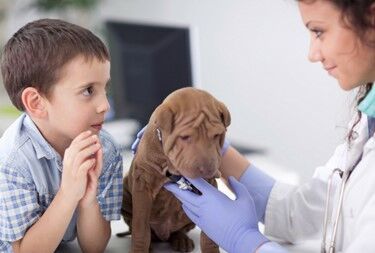

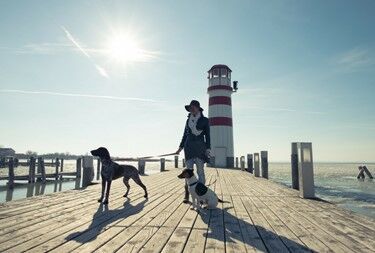
Marking animals with a microchip is the most durable, effective and completely safe method of quick and reliable identification. Every transponder (chip) has a unique number which enables instant identification of the animal and its owner, helping them reunite faster. However, it is important to remember that a chip is just a transponder with an encoded number. It is not a tracking device and contains no data about the animal or the owner! Therefore, in order to identify a chipped dog or cat, it is necessary that a microchip be registered in a national marked animal database...
Read moreIn today's world, responsibility for animal care has become not only a priority for their owners but also a societal issue. One of the most important tools in ensuring animal safety is the chip database. It allows for the quick and efficient recovery of lost pets, which is crucial for protecting their health and well-being.
The introduction of microchipping has significantly improved the effectiveness of efforts to locate lost animals, reducing stress for both owners and their four-legged friends. Registration in the chip database is increasingly required by local regulations, further highlighting the importance of this technology in ensuring comprehensive care for animals.
All kinds of information have been making rounds about the SARS-CoV-2 virus, and the media has been bombarding us with increasingly worrying news about... read the article >>
Cat / Dog missing – Looking for purebred animals. Every day many pet owners have to deal with situations like a missing dog. There... read the article >>

What do the regulations say? As pet owners, we have the right to move freely with our pets. In many countries, there are no... read the article >>
Why Do Our Dogs Run Away? Why do dogs run away? There can be many reasons – from fear and panic, through hunting instincts... read the article >>

Read this letter to Santa and think twice before you give someone a living animal! Dear Santa. . My name is Gift and I... read the article >>
While us humans rejoice when winter finally arrives, happy that we can enjoy its many attractions, our four-legged friends may often find dog winter... read the article >>

Winter continues its relentless attack - snow and cold its weapons of choice. This time of the year is a difficult period for stray... read the article >>