Current language:
The number of registered
animals is growing every day
Published: Mar 10, 2026
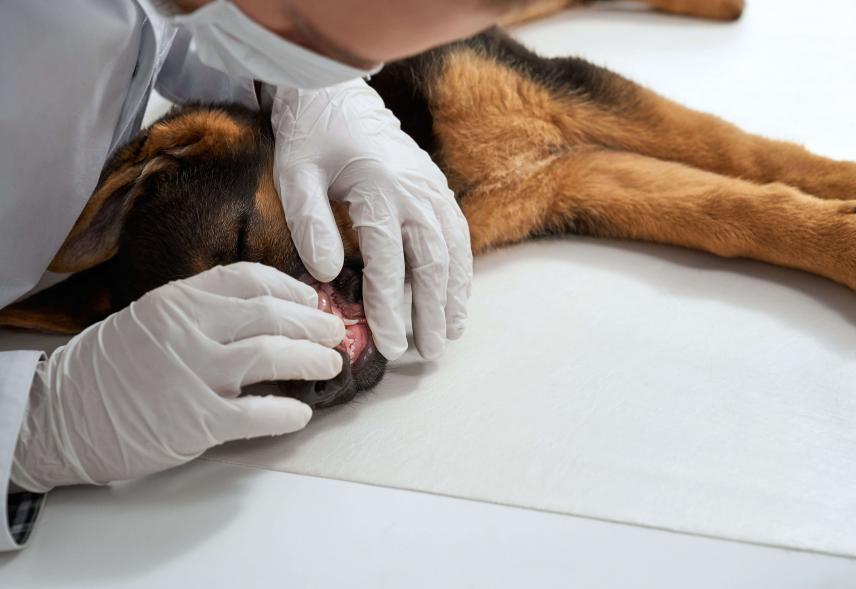
Rabies is one of the most dangerous infectious diseases transmitted from animals to humans. For this reason, in Poland there has been a legal requirement for many years to vaccinate dogs against this disease. However, starting from March 18, 2026, new regulations will come into force introducing additional measures related to animal health supervision and the system of controlling infectious diseases.
These changes are intended to increase public safety and improve the effectiveness of veterinary actions in the event of an epidemiological threat. In practice, this means greater emphasis not only on vaccinations themselves, but also on proper animal identification and the possibility of quickly determining the animal’s owner.
An increasingly important role in this process is played by electronic animal identification, commonly known as microchipping. Thanks to a microchip containing a unique identification number, it is possible to quickly check the animal's data and its owner's details in the appropriate database. This solution facilitates the control of mandatory vaccinations and also helps to locate the owner if the animal gets lost.
Combined with registration in databases, the electronic identification system becomes an important element of modern animal care. It facilitates the work of veterinarians, veterinary services and animal shelters, while increasing the safety of both animals and people.
According to current regulations, every dog owner in Poland is required to vaccinate their animal against rabies. The first vaccination must be carried out within 30 days after the dog reaches three months of age. After the first dose, the vaccination must be renewed regularly. Most often it is performed once a year, according to the recommendations of a veterinarian and applicable regulations. Regular vaccinations are not only a legal requirement but also a fundamental method of protecting the health of animals and humans.
Rabies is a viral disease that attacks the nervous system. The virus is most commonly transmitted through the bite of an infected animal. The disease is almost always fatal for both animals and humans. Therefore, prevention through vaccination is crucial. Thanks to widespread vaccination of dogs, the number of rabies cases in many countries has been significantly reduced. Regular vaccination of domestic animals is one of the most important elements of protecting public health.
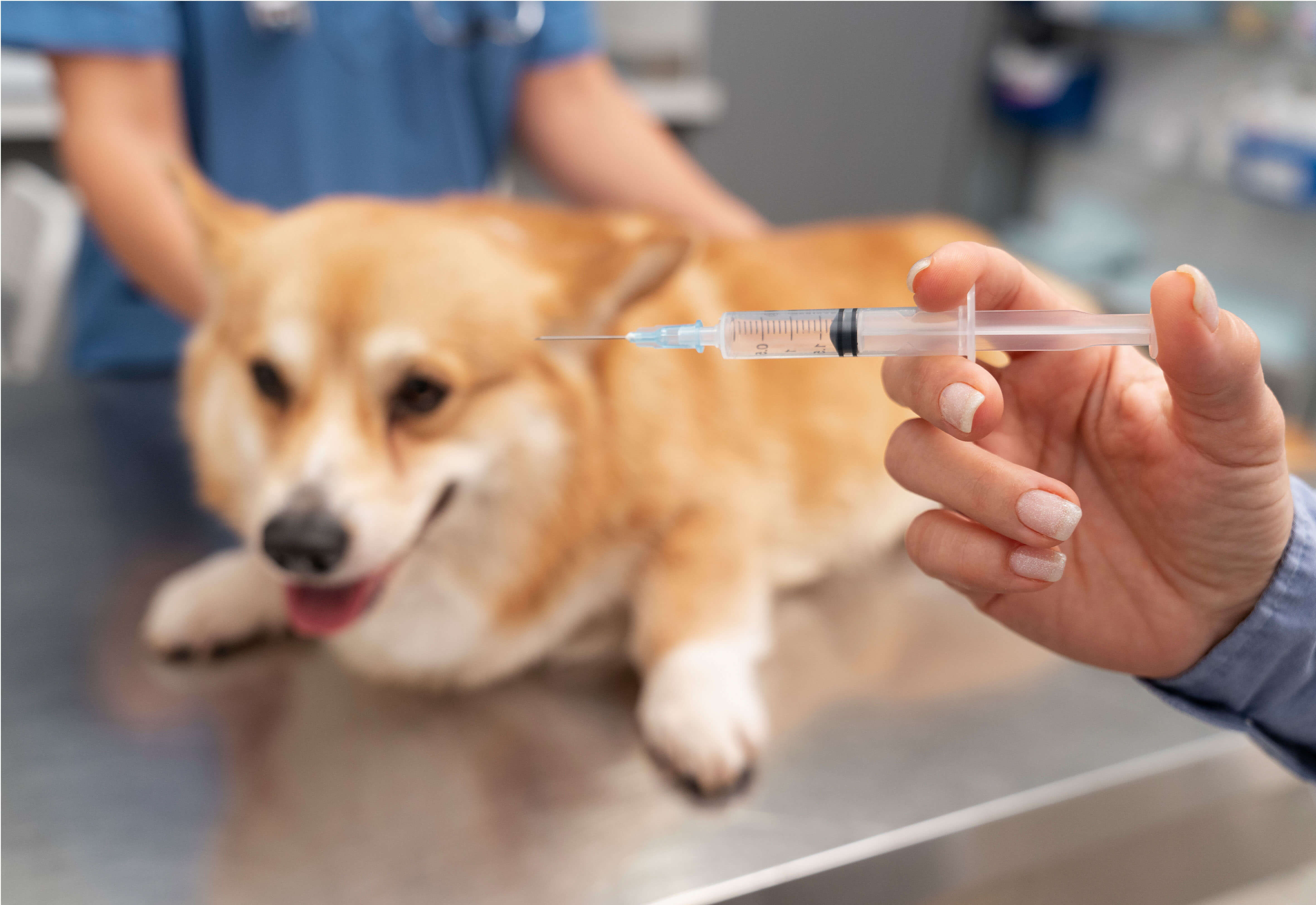
The changes introduced in March 2026 are part of a broader reform of the animal health supervision system. The new regulations aim to improve the work of Veterinary Inspection authorities and make it easier to monitor compliance with mandatory vaccinations.
The new regulations include, among others:
Thanks to these changes, veterinary services will be able to respond more quickly in the event of an epidemiological threat.
Microchipping involves implanting a small transponder under the animal's skin. The microchip contains a unique identification number that can be read using a special scanner. After reading the number, it is possible to check the owner’s details in the appropriate database. In many countries, microchipping is already a standard and an important part of the animal identification system.
Microchipping animals has many advantages:
A dog owner who fails to fulfill the obligation to vaccinate against rabies may be fined. In the event of a veterinary inspection, it is necessary to present a document confirming that the vaccination has been carried out. Apart from legal consequences, lack of vaccination also poses a real threat to the health of people and other animals.
Although the obligation to vaccinate against rabies in Poland mainly applies to dogs, many veterinarians also recommend vaccinating cats – especially those that go outdoors. Cats often come into contact with wild animals that may carry the virus, therefore preventive vaccination can significantly increase the animal's safety.
Rabies vaccination is one of the most important responsibilities of every dog owner. The new regulations coming into force in March 2026 aim to improve the system of controlling infectious diseases and enhance public safety. Combining mandatory vaccinations with animal identification systems, such as microchipping and database registration, helps create an effective system for protecting both animal and human health. Thanks to the responsible approach of pet owners, it is possible to further reduce the risk of this dangerous disease.
Yes. In Poland every dog owner is required to vaccinate their pet against rabies. The first vaccination must be performed within 30 days after the dog reaches three months of age.
Rabies vaccination should be performed regularly, most commonly once a year. The exact date of the next dose is determined by a veterinarian based on vaccination records.
Failure to vaccinate a dog against rabies may result in a financial penalty. During an inspection, the owner must present documentation confirming that the vaccination has been performed.
The legal obligation mainly applies to dogs, however veterinarians often recommend vaccinating outdoor cats as well. Cats frequently come into contact with wild animals that may carry the rabies virus.
In many countries microchipping is already the standard method of animal identification. In Poland it is not always mandatory, but it is strongly recommended because it allows quick identification of the animal and its owner.
Registering a microchip in a database allows the owner to be quickly identified if the animal is lost. This significantly increases the safety of the pet and the chances of it returning home.



Marking animals with a microchip is the most durable, effective and completely safe method of quick and reliable identification. Every transponder (chip) has a unique number which enables instant identification of the animal and its owner, helping them reunite faster. However, it is important to remember that a chip is just a transponder with an encoded number. It is not a tracking device and contains no data about the animal or the owner! Therefore, in order to identify a chipped dog or cat, it is necessary that a microchip be registered in a national marked animal database...
Read moreIn today's world, responsibility for animal care has become not only a priority for their owners but also a societal issue. One of the most important tools in ensuring animal safety is the chip database. It allows for the quick and efficient recovery of lost pets, which is crucial for protecting their health and well-being.
The introduction of microchipping has significantly improved the effectiveness of efforts to locate lost animals, reducing stress for both owners and their four-legged friends. Registration in the chip database is increasingly required by local regulations, further highlighting the importance of this technology in ensuring comprehensive care for animals.

All kinds of information have been making rounds about the SARS-CoV-2 virus, and the media has been bombarding us with increasingly worrying news about... read the article >>

Cat / Dog missing – Looking for purebred animals. Every day many pet owners have to deal with situations like a missing dog. There... read the article >>

What do the regulations say? As pet owners, we have the right to move freely with our pets. In many countries, there are no... read the article >>

Why Do Our Dogs Run Away? Why do dogs run away? There can be many reasons – from fear and panic, through hunting instincts... read the article >>

Read this letter to Santa and think twice before you give someone a living animal! Dear Santa. . My name is Gift and I... read the article >>

While us humans rejoice when winter finally arrives, happy that we can enjoy its many attractions, our four-legged friends may often find dog winter... read the article >>

Winter continues its relentless attack - snow and cold its weapons of choice. This time of the year is a difficult period for stray... read the article >>