Proper nutrition is one of the most important factors in maintaining a dog's health throughout its life. Many owners wonder what dogs can't eat, as numerous foods that are perfectly safe for humans can be harmful—or even fatal—to dogs. A dog's digestive system and metabolism differ significantly from those of humans, meaning certain substances cannot be processed safely and may damage the liver, kidneys, heart, or nervous system.
The greatest risks come from foods containing naturally occurring toxins or ingredients that dogs cannot metabolize effectively. Highly processed foods rich in salt, fat, spices, or artificial sweeteners can also pose serious health risks. Understanding what dogs can and cannot eat is essential for preventing poisoning, digestive disorders, and chronic diseases while ensuring a long, healthy life.
What Should Dogs Absolutely Never Eat?

If you're wondering what dogs absolutely cannot eat, there are several foods that should never be given to a dog under any circumstances. Some of them can cause severe poisoning even in very small quantities, particularly in puppies, senior dogs, and small breeds.
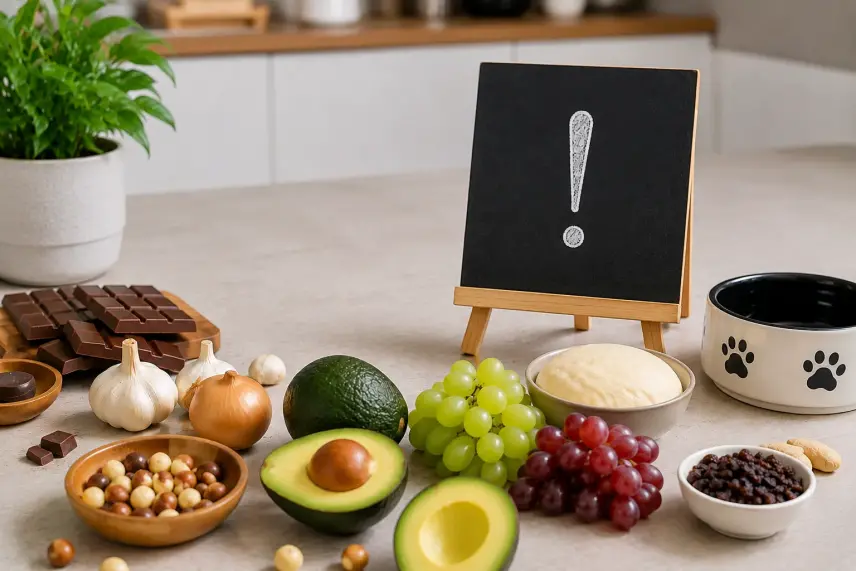
Chocolate is one of the most well-known toxic foods for dogs. It contains theobromine and caffeine, compounds that dogs metabolize very slowly. The darker the chocolate, the higher the concentration of theobromine and the greater the risk. Dark chocolate and cocoa powder are especially dangerous. Symptoms of chocolate poisoning include vomiting, diarrhea, hyperactivity, muscle tremors, irregular heartbeat, seizures, and in severe cases, death.
Onions and garlic are equally dangerous. They contain sulfur compounds that damage red blood cells, potentially causing hemolytic anemia. Fresh, cooked, fried, powdered, and dried forms are all considered harmful.
Foods dogs should never eat also include grapes and raisins. Although scientists have not yet identified the exact toxin responsible, even a small amount may cause acute kidney failure. Some dogs become seriously ill after eating only a few grapes, while others appear unaffected, making them impossible to consider safe.
Avocados contain persin, a natural toxin that can cause gastrointestinal upset in dogs. In addition, the large pit presents a choking hazard and may cause intestinal blockage if swallowed.
Macadamia nuts are extremely toxic to dogs. Even small quantities may lead to weakness, tremors, fever, joint pain, vomiting, and difficulty walking. While researchers continue to study the exact mechanism of toxicity, consumption always requires immediate veterinary advice.
Alcohol is highly dangerous for dogs. Because their bodies process ethanol differently from humans, even small amounts can result in central nervous system depression, breathing difficulties, dangerously low body temperature, coma, and death.
One of the most dangerous ingredients is xylitol, an artificial sweetener commonly found in sugar-free gum, candy, baked goods, peanut butter, toothpaste, and other "sugar-free" products. Xylitol triggers a rapid release of insulin in dogs, causing severe hypoglycemia within minutes. In many cases, it can also lead to acute liver failure.
Toxic Foods Every Dog Owner Should Avoid
Knowing which foods are dangerous is only the first step. Understanding why they are harmful and recognizing the symptoms of poisoning can make the difference between a full recovery and a life-threatening emergency.
Different toxins affect different organs. Some destroy red blood cells, others damage the kidneys or liver, while certain compounds primarily attack the nervous or cardiovascular systems.
Clinical signs of poisoning may develop within minutes or may not appear for several hours. Common symptoms include excessive drooling, vomiting, diarrhea, restlessness, hyperactivity, lethargy, weakness, and loss of appetite. More severe cases may involve tremors, seizures, breathing difficulties, collapse, or abnormal heart rhythms.
Foods that damage the liver or kidneys are particularly dangerous because the first symptoms may be subtle. A dog may initially appear normal before rapidly developing organ failure several hours later.
The severity of poisoning depends on several factors, including the dog's body weight, age, health status, the amount consumed, and the specific toxin involved. Small dogs are generally at greater risk because even a tiny amount of toxic food represents a much higher dose relative to their body weight.
If you suspect your dog has eaten a toxic substance, do not wait for symptoms to appear. Prompt veterinary treatment significantly improves the chances of a full recovery and reduces the risk of permanent organ damage.
Human Foods Dogs Should Never Eat
One of the most common nutritional mistakes is feeding dogs leftovers from the dinner table. Many owners assume that if a food is healthy for people, it must also be suitable for dogs. Unfortunately, this is rarely the case.
Dogs have completely different nutritional requirements than humans. Their diet should provide the correct balance of animal protein, fats, vitamins, and minerals. Human meals are typically much higher in salt, sugar, spices, and fat than dogs can safely tolerate.
Foods that should not become part of a dog's regular diet include bread, pasta, fried foods, processed meats, sauces, ready-made meals, and highly processed snacks. Although these foods are not always toxic, frequent consumption increases the risk of obesity, pancreatitis, digestive disorders, and metabolic disease.
Fatty foods deserve particular attention. Excessive dietary fat is one of the leading causes of acute pancreatitis, a painful and potentially life-threatening condition characterized by vomiting, abdominal pain, dehydration, and loss of appetite.
Dairy products should also be offered with caution. Many adult dogs produce insufficient amounts of lactase, the enzyme required to digest lactose. As a result, milk may cause diarrhea, gas, and abdominal discomfort. Fermented dairy products such as plain yogurt or kefir are often better tolerated but should still be offered only occasionally.
Raw yeast dough represents another serious hazard. Once inside the warm environment of a dog's stomach, the yeast continues to ferment, producing gas and alcohol. This may lead to severe stomach distension, pain, and alcohol poisoning.
Leftovers frequently contain onions, garlic, spices, stock cubes, pepper, chili, and excessive salt. Even if one ingredient appears harmless, the combination may pose a significant health risk.
What Vegetables Can Dogs Eat?
Many owners ask what vegetables dogs can eat, as vegetables provide valuable fiber, vitamins, minerals, and antioxidants. While many vegetables are safe, others require caution.
Safe vegetables include carrots, pumpkin, zucchini, cucumber, green beans, celery root, cooked beetroot, and small amounts of broccoli. They are generally easier to digest when lightly cooked or steamed.
A common question is can dogs eat potatoes. The answer is yes—but only when fully cooked and served without butter, salt, or seasonings. Raw potatoes contain solanine, a naturally occurring toxin that may cause digestive upset and neurological symptoms.
Another frequently asked question is can dogs eat bell peppers. Red, yellow, and orange bell peppers are generally safe in moderation and provide vitamin C and beta-carotene. Green peppers contain higher concentrations of compounds that may irritate the digestive tract and should be fed more cautiously.
Owners also often ask can dogs eat tomatoes. Fully ripe red tomatoes are generally safe in small amounts. However, green tomatoes, stems, and leaves contain tomatine and solanine, which may cause gastrointestinal and neurological symptoms.
Another common question is can dogs eat radishes. Radishes are not toxic, but their spicy flavor may irritate sensitive stomachs. Small amounts are usually tolerated by healthy dogs.
People also ask can dogs eat broad beans (fava beans). Cooked broad beans are not considered toxic, but they are difficult to digest and may cause gas, bloating, and digestive discomfort. They should not become a regular part of a dog's diet.
Vegetables should always be considered a supplement to a balanced canine diet rather than its foundation. Even healthy vegetables should be fed in moderation to avoid digestive upset.
What Fruits Can Dogs Eat?

Like vegetables, fruit can be a healthy addition to a dog's diet when offered in moderation. Fruits provide vitamins, antioxidants, fiber, and water, but they also contain natural sugars. For this reason, they should be treated as occasional treats rather than a replacement for a complete and balanced dog food. If you're wondering what fruits dogs can eat, the answer depends on the type of fruit, the serving size, and how it is prepared.
Generally safe fruits include apples with the seeds removed, pears, bananas, blueberries, raspberries, strawberries, seedless watermelon, melon, and small amounts of mango. These fruits can be used as healthy training rewards or occasional snacks for most healthy adult dogs.
A common question is can dogs eat plums. While the flesh of a ripe plum is not highly toxic, plums are not considered an ideal treat. Their high sugar and fiber content may cause diarrhea or stomach upset. The pit presents a much greater danger because it can cause intestinal blockage and contains cyanogenic compounds that may release cyanide if damaged.
Many owners also ask can dogs eat almonds. Almonds are not recommended for dogs. Although they are not as toxic as macadamia nuts, they are difficult to digest and contain a large amount of fat. Consumption may lead to vomiting, abdominal pain, pancreatitis, or intestinal obstruction, especially in small breeds.
Even safe fruits should only be fed in moderation. Excessive sugar intake may contribute to obesity, digestive problems, and metabolic disorders, particularly in senior dogs, overweight pets, or those suffering from diabetes.
Special care should be taken with fruits containing pits or large seeds. Cherries, peaches, apricots, and nectarines can cause choking or intestinal blockage, while their pits contain cyanogenic substances that may be toxic if chewed. Grapes and raisins should always be avoided, as they remain among the most dangerous fruits for dogs.
The safest approach is to treat fruit as an occasional supplement to a nutritionally complete canine diet rather than a dietary staple. Introduce every new fruit gradually and monitor your dog's digestive response.
Can Dogs Eat Potatoes, Tomatoes, and Bell Peppers?
Questions about potatoes, tomatoes, and peppers are among the most frequently searched by dog owners. Although these vegetables can sometimes be fed safely, the answer depends on their preparation, ripeness, and quantity.
If you're asking can dogs eat potatoes, the answer is yes—but only when thoroughly cooked and served plain. Cooking significantly reduces the amount of solanine found in raw potatoes. Never feed green or sprouted potatoes, as they contain much higher concentrations of this toxic compound.
Another common question is can dogs eat tomatoes. Fully ripe red tomatoes are generally considered safe in small quantities. However, green tomatoes, tomato leaves, and stems contain tomatine and solanine, both of which may cause vomiting, diarrhea, weakness, and neurological symptoms.
Owners also frequently search for can dogs eat bell peppers. Red, yellow, and orange peppers are usually safe when served in small amounts after removing the seeds and stem. Green peppers contain more potentially irritating compounds and may not be tolerated as well by sensitive dogs.
Although these vegetables may be offered occasionally, they should never replace a balanced canine diet. Dogs require high-quality animal protein as the primary source of nutrition, while vegetables should remain a complementary addition.
If vomiting, diarrhea, lethargy, loss of appetite, or other unusual symptoms occur after your dog eats any of these vegetables, contact your veterinarian promptly. This is particularly important if your dog has consumed raw potatoes or green tomatoes.
Can Dogs Eat Bread, Pasta, and Other Common Kitchen Foods?
Many owners wonder can dogs eat bread. Plain bread is not toxic, but it provides little nutritional value for dogs. It is primarily composed of carbohydrates and does not supply the protein and essential nutrients dogs require. A small piece of plain bread is unlikely to harm a healthy dog, but regular feeding may contribute to weight gain.
Similarly, can dogs eat pasta is another frequently asked question. Plain cooked pasta without salt, butter, sauces, or seasonings is not toxic. However, it offers limited nutritional benefits and should only be given occasionally.
Preparation is extremely important. Bread containing raisins, garlic, onions, or xylitol may be highly toxic. Likewise, pasta served with garlic sauce, onions, spicy seasonings, or fatty meats should never be offered to dogs.
Flour itself is not poisonous, but many baked products contain excessive salt, sugar, preservatives, flavor enhancers, and other additives that dogs do not need. Frequent consumption of these ingredients may contribute to digestive problems, obesity, and cardiovascular disease.
Raw yeast dough is especially dangerous. The yeast continues fermenting inside the stomach, producing large amounts of gas and ethanol. This process may result in severe stomach distension, pain, and alcohol poisoning, all of which require emergency veterinary treatment.
Other foods that should not become part of a dog's regular diet include sauces, bouillon cubes, ketchup, mayonnaise, processed seasonings, fast food, and heavily processed snacks. These foods are typically high in sodium, saturated fats, sugar, and artificial additives that provide no health benefits for dogs.
As a general rule, foods prepared for human consumption should not replace a nutritionally complete canine diet. Even when individual ingredients appear harmless, the finished meal may contain substances that are unsuitable or harmful for dogs.
What Should Dogs with Liver, Kidney, or Pancreatic Disease Avoid?
When a dog develops a chronic medical condition, the answer to what dogs can and cannot eat becomes much more complex. Nutrition is often a critical part of treatment and may significantly affect both quality of life and long-term prognosis.
Owners frequently ask what dogs with liver disease should not eat. Dogs suffering from chronic liver disease should avoid highly fatty foods, difficult-to-digest meals, and ingredients rich in copper. Excess dietary fat places additional stress on the liver, while inappropriate protein intake may worsen hepatic encephalopathy in advanced disease. A carefully balanced veterinary diet is often recommended.
Another common question is what dogs with kidney disease should not eat. Dogs with chronic kidney disease usually require restricted phosphorus intake and carefully controlled amounts of highly digestible protein. Salty snacks, processed meats, excessive organ meats, and highly processed foods should generally be avoided.
For owners wondering what dogs with pancreatitis should not eat, the answer is clear: fatty foods should be eliminated. Bacon, sausage, fried foods, fatty cuts of meat, poultry skin, rich dairy products, and table scraps can all trigger a recurrence of pancreatitis, which is a painful and potentially life-threatening condition.
Some owners also ask what dogs with epilepsy should not eat. Dogs diagnosed with epilepsy benefit from a consistent feeding routine and should avoid sudden dietary changes. Alcohol, xylitol, and other neurotoxic substances must be strictly avoided. Depending on the underlying condition, a veterinarian may recommend a specialized therapeutic diet to support neurological health.
It is important to remember that foods considered safe for healthy dogs may not be appropriate for dogs suffering from chronic disease. Every long-term medical condition requires an individualized nutritional plan developed with the guidance of a veterinarian.
What Should Yorkshire Terriers, Shih Tzus, and Other Small Dog Breeds Avoid?
Owners of small breeds often ask what Yorkshire Terriers can't eat or what Shih Tzus can't eat. In general, the list of toxic foods is the same for all dogs. However, because small breeds have a much lower body weight, even a tiny amount of a harmful substance may result in far more severe consequences than it would in a large dog.
Yorkshire Terriers, Shih Tzus, Chihuahuas, Maltese, Pomeranians, and other toy breeds have smaller energy reserves and are more susceptible to metabolic disturbances. As a result, poisoning caused by chocolate, xylitol, grapes, raisins, onions, or garlic can develop much faster and become life-threatening in a short period of time.
Small breeds are also more prone to hypoglycemia, especially puppies and highly active dogs. This makes xylitol particularly dangerous, as even a very small dose can trigger a rapid drop in blood glucose levels and cause seizures or collapse.
Additionally, many small breeds are predisposed to dental disease and digestive disorders. Fatty table scraps, salty snacks, spicy foods, and highly processed products increase the risk of pancreatitis, gastrointestinal inflammation, and chronic digestive problems.
Ultimately, the answer to what Yorkshire Terriers can't eat and what Shih Tzus can't eat is the same as for all dogs. The difference is that owners of smaller breeds must be even more cautious because toxic doses are reached much more easily.
Signs of Food Poisoning in Dogs
Recognizing food poisoning early greatly improves the chances of successful treatment. Symptoms vary depending on the toxin involved, the amount consumed, and how much time has passed since ingestion.
The first warning signs usually include vomiting, diarrhea, excessive drooling, nausea, loss of appetite, and unusual behavior. Some dogs become restless, anxious, or hyperactive, while others appear lethargic, weak, or unusually sleepy.
When toxins affect the nervous system, dogs may develop muscle tremors, poor coordination, difficulty walking, seizures, or even lose consciousness. Certain toxic substances also interfere with normal heart function, causing abnormal heart rhythms, rapid breathing, or dangerously low body temperature.
Kidney damage often develops more gradually. A dog may initially seem normal, only to become severely ill several hours later as vomiting, dehydration, weakness, and reduced urine production begin to appear.
Pale gums, jaundice, blood in the urine or stool, severe abdominal pain, collapse, and breathing difficulties should always be treated as veterinary emergencies requiring immediate medical attention.
It is important to remember that some toxins act slowly. A lack of immediate symptoms does not necessarily mean that a dog is safe. Serious organ damage may continue to develop silently for many hours.
What Should You Do If Your Dog Eats Something Toxic?
The most important step is to remain calm while acting quickly. Panic can delay appropriate action, whereas immediate veterinary advice may significantly improve your dog's prognosis.
First, determine exactly what your dog ate, how much was consumed, and approximately when it happened. If possible, keep the product packaging or ingredient list, as information about xylitol, cocoa content, alcohol, or other toxic substances can be extremely valuable for your veterinarian.
Closely monitor your dog for symptoms such as vomiting, diarrhea, drooling, tremors, excessive excitement, weakness, or lethargy. These observations will help your veterinarian determine the severity of the situation.
Do not induce vomiting unless specifically instructed to do so by a veterinarian. In some situations, such as swallowing sharp objects, corrosive substances, or when neurological symptoms are already present, inducing vomiting can cause additional injury.
Likewise, do not attempt home remedies such as giving milk, cooking oil, salt, or activated charcoal unless directed by a veterinary professional. Many internet remedies are ineffective or may even worsen the condition.
If your dog has eaten chocolate, xylitol, grapes, raisins, onions, garlic, alcohol, macadamia nuts, or any other potentially toxic food, contact your veterinarian immediately. Early treatment often prevents permanent damage to vital organs.
The best protection remains prevention. Keep dangerous foods securely stored out of your dog's reach and ensure that everyone in the household understands which foods should never be offered to pets.
Frequently Asked Questions (FAQ)
Can dogs eat potatoes?
Yes. Can dogs eat potatoes? Cooked potatoes served plain are generally safe in moderation. Raw, green, or sprouted potatoes should never be fed because they contain toxic levels of solanine.
Can dogs eat bell peppers?
Can dogs eat bell peppers? Yes. Red, yellow, and orange peppers are generally safe when served in small quantities. Green peppers may be more irritating to the digestive system.
Can dogs eat tomatoes?
Can dogs eat tomatoes? Fully ripe red tomatoes are generally safe in small amounts. Green tomatoes, leaves, and stems should always be avoided.
Can dogs eat bread?
Can dogs eat bread? Plain bread is not toxic, but it has little nutritional value and should only be given occasionally.
Can dogs eat pasta?
Can dogs eat pasta? Plain cooked pasta without sauces or seasonings is generally safe as an occasional treat but should not become part of a dog's regular diet.
Can dogs eat broad beans?
Can dogs eat broad beans? Cooked broad beans are not toxic but may cause gas, bloating, and digestive discomfort. They are not recommended as a regular food.
What vegetables can dogs eat?
If you're wondering what vegetables dogs can eat, safe options include carrots, pumpkin, zucchini, cucumber, green beans, and small amounts of broccoli.
What fruits can dogs eat?
What fruits can dogs eat? Apples without seeds, bananas, blueberries, strawberries, pears, watermelon without seeds, and melon are generally considered safe in moderation.
Can dogs eat almonds?
Can dogs eat almonds? Almonds are not recommended because they are difficult to digest and may contribute to pancreatitis or intestinal obstruction.
Can dogs eat plums?
Can dogs eat plums? While the flesh is not highly toxic, the pit is dangerous because it can cause intestinal blockage and contains cyanogenic compounds.
What foods should dogs never eat?
Foods dogs should never eat include chocolate, cocoa, onions, garlic, grapes, raisins, macadamia nuts, alcohol, xylitol, and other toxic substances capable of causing severe poisoning.
What should dogs absolutely never eat?
What dogs absolutely cannot eat includes foods that may be life-threatening even in very small quantities, particularly chocolate, xylitol, grapes, raisins, alcohol, onions, and macadamia nuts.
What can dogs eat and what should they avoid?
Understanding what dogs can and cannot eat begins with providing a complete, balanced canine diet. Fruits and vegetables should only serve as occasional supplements, while toxic foods, highly processed products, fatty meals, and heavily seasoned foods should always be avoided.
Conclusion
Understanding what dogs can't eat is one of the most important responsibilities of every dog owner. Many foods that are harmless to humans can cause severe poisoning, organ failure, or even death in dogs. Chocolate, xylitol, grapes, raisins, onions, garlic, alcohol, and macadamia nuts should never be offered, even in very small amounts.
It is equally important to remember that many human foods are not toxic but still fail to meet a dog's nutritional needs. Table scraps, fatty meals, salty snacks, processed foods, and heavily seasoned dishes should never replace a complete and balanced canine diet.
If your dog accidentally consumes a potentially harmful food, seek veterinary advice immediately. Early diagnosis and treatment provide the best chance of preventing serious complications and ensuring a full recovery. By understanding safe nutrition and avoiding dangerous foods, owners can significantly improve both the health and longevity of their dogs.
See also:
Rabies vaccination
Ticks in dogs
Heat stroke in dogs – symptoms