Current language:
The number of registered
animals is growing every day

Published: Dec 9, 2022

Dog Tax: An Obligation Every Owner Must Remember. Not every dog owner is aware of the procedure that requires them to register their pet and pay a fee for owning it - this is the so-called dog tax. At this point, you might be wondering why you have to pay a tax for a dog and how much such a pet tax might cost. Our article will also explain who is exempt from the dog tax and what penalties you may face for failing to pay it. Is the dog tax mandatory? Is the pet tax mandatory? As it turns...
Published: Apr 24, 2020

Although our methods of communication differ fundamentally due to the obvious species differences, over the centuries of sharing the environment with dogs, both sides have developed the ability to send and read non-verbal signals that allow mutual understanding. Knowing, skillfully interpreting, and respecting the signals sent by dogs will certainly facilitate our relationships with them, making them more enjoyable and often safer. By fully understanding our pets, we can avoid socialization errors, prevent unwanted behaviors, and respond appropriately, preventing unpleasant situations that often arise from a clear lack of understanding.. The system of signs and behaviors developed by dogs for...
Published: Apr 24, 2020
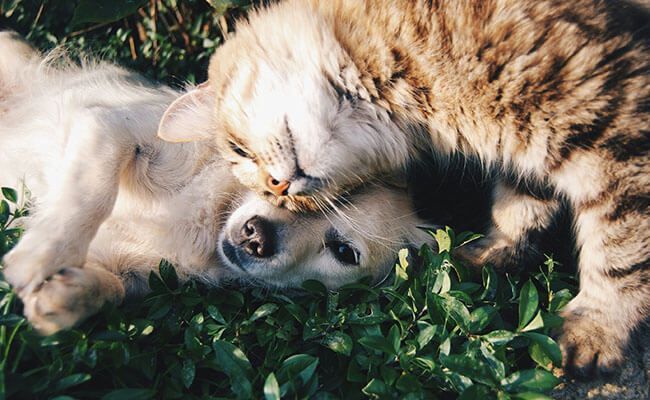
"LIKE DOG AND CAT". It often happens that dog lovers also dream of the soothing purrs of a cat, or vice versa, cat enthusiasts may decide that it’s time for a dog. How can we ensure that our plans, instead of the anticipated idyll, do not turn into endless battles and a tense atmosphere due to the four-legged companions interacting like "cats and dogs"? To take the right steps, it is essential to first understand the dynamics governing the relationships between these two species. A DOG IS NOT A CAT BECAUSE - A CAT IS NOT A DOG! Does the...
Published: Apr 24, 2020

HYPOALLERGENIC DOGS. This short article presents important information for those searching for hypoallergenic dogs and struggling with dog allergies. While dogs in general do not always trigger strong allergic reactions, it is still important to check whether you or your children are sensitive before adopting a four-legged companion, in order to avoid the difficult situation of having to give the dog back.. Let us begin by addressing a common misconception related to hypoallergenic dogs. Many people believe that there are breeds that do not cause allergies at all. In reality, allergies are not caused by dog hair itself, but by...
Published: Feb 4, 2020

Chipping is currently the most effective method of marking companion animals. It has been gaining popularity among both owners and breeders who care about the safety of their four-legged, two-legged and often also underwater pets. However, animal identification is a subject that is still relatively poorly understood and fraught with misconceptions resulting primarily from a lack of reliable and clear information on the topic.What should you do to mark your pet in a simple and effective manner to ensure its complete safety?Here are a few simple steps you can take to ensure the lifelong safety of your animal.STEP 1 –...


Marking animals with a microchip is the most durable, effective and completely safe method of quick and reliable identification. Every transponder (chip) has a unique number which enables instant identification of the animal and its owner, helping them reunite faster. However, it is important to remember that a chip is just a transponder with an encoded number. It is not a tracking device and contains no data about the animal or the owner! Therefore, in order to identify a chipped dog or cat, it is necessary that a microchip be registered in a national marked animal database...
Read moreIn today's world, responsibility for animal care has become not only a priority for their owners but also a societal issue. One of the most important tools in ensuring animal safety is the chip database. It allows for the quick and efficient recovery of lost pets, which is crucial for protecting their health and well-being.
The introduction of microchipping has significantly improved the effectiveness of efforts to locate lost animals, reducing stress for both owners and their four-legged friends. Registration in the chip database is increasingly required by local regulations, further highlighting the importance of this technology in ensuring comprehensive care for animals.

All kinds of information have been making rounds about the SARS-CoV-2 virus, and the media has been bombarding us with increasingly worrying news about... read the article >>

Cat / Dog missing – Looking for purebred animals. Every day many pet owners have to deal with situations like a missing dog. There... read the article >>

What do the regulations say? As pet owners, we have the right to move freely with our pets. In many countries, there are no... read the article >>

Why Do Our Dogs Run Away? Why do dogs run away? There can be many reasons – from fear and panic, through hunting instincts... read the article >>

Read this letter to Santa and think twice before you give someone a living animal! Dear Santa. . My name is Gift and I... read the article >>

While us humans rejoice when winter finally arrives, happy that we can enjoy its many attractions, our four-legged friends may often find dog winter... read the article >>

Winter continues its relentless attack - snow and cold its weapons of choice. This time of the year is a difficult period for stray... read the article >>