El número de animales
no deja de crecer
Vetlit Animal Clinic
 Uganda
Central
Wakiso
0000
Lugonvu-Kimbejja road, Namugongo Division.
2150
2150
9:00
23:00

Vetlit Animal Clinic is a high-integrity, client-centered veterinary facility committed to advancing companion animal healthcare standards in Uganda. Located at Plot 2150, Lugonvu Road, off Kimbejja Road in Naalya–Namugongo, Kira Municipality, the clinic is strategically positioned to deliver accessible, responsive, and high-quality veterinary services to a diverse and growing urban population.
At its core, Vetlit Animal clinic operates as a comprehensive animal health ecosystem, offering end-to-end veterinary care across the full clinical spectrum. Its services begin with preventive healthcare, including vaccinations, routine wellness examinations, nutritional guidance, and parasite control, key interventions that form the foundation of long-term animal health. These preventive services are supported by structured diagnostic processes that enable accurate and timely identification of disease conditions, ensuring targeted and effective treatment plans.
The clinic extends its capabilities into advanced therapeutic and surgical care, providing both routine and complex soft tissue procedures under strict clinical and sterility protocols. Each case is managed through a systematic care pathway that includes diagnosis, treatment, post-operative monitoring, and follow-up, ensuring continuity of care and improved recovery outcomes. This integrated approach reinforces both clinical reliability and client confidence.
A key differentiator for Vetlit Animal Clinic is its hybrid service delivery model, which combines in-clinic services with mobile veterinary care. This approach addresses accessibility challenges by bringing professional veterinary services directly to clients’ homes. It is particularly beneficial for multi-pet households, animals that experience stress during transportation, and clients with logistical constraints, ensuring that quality care is delivered consistently regardless of location.
The clinic is led by Dr. Lutebemberwa Isa, a respected veterinary professional with a strong track record in animal health, welfare, and research. Under his leadership, Vetlit Animal Clinic adopts a systems-oriented approach that prioritizes efficiency, continuous improvement, and evidence-based practice. This ensures that all clinical decisions are both scientifically grounded and aligned with evolving global standards.
Vetlit Animal Clinic also emphasizes client education and engagement as a core component of its care model. By equipping pet owners with the knowledge needed to make informed decisions, the clinic fosters a collaborative relationship that enhances treatment compliance and long-term health outcomes. Every interaction is treated as an opportunity to guide clients on preventive care, disease management, and responsible pet ownership.
From a strategic perspective, Vetlit Animal Clinic positions itself as a center of trust, transparency, and clinical excellence. Integrity is embedded in every aspect of its operations, from diagnosis and treatment planning to communication and pricing. Clients can expect clear guidance, ethical decision-making, and a consistently high standard of care.
In addition to clinical services, the clinic contributes to broader public health and animal welfare objectives by promoting vaccination, disease prevention, and responsible pet ownership. This reflects a holistic understanding of veterinary medicine as a critical component of both animal and community well-being.


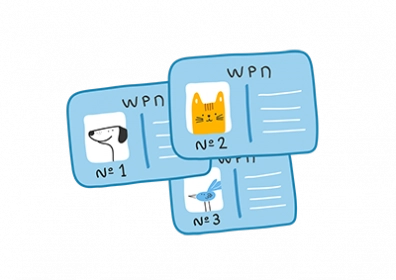
La identificación electrónico de animales mediante microchip es el método más duradero, eficaz y seguro para permitir la identificación rápida y fiable de tu mascota. Solamente con el número único del transpondedor (chip) se puede identificar el animal al instante y encontrar a su dueño, haciendo que la mascota pueda regresar a su hogar. No obstante, hay que tener en cuenta que el microchip no es más que un transpondedor con un número codificado. El microchip no cuenta con una función de localización ni tampoco incluye información acerca del dueño ni del propio animal. Así pues, para poder identificar al perro o al gato con identificación mediante chip, el microchip tiene que estar registrado en una base de datos nacional de animales identi...
Leer másEn la actualidad, la responsabilidad del cuidado de los animales no solo se ha convertido en una prioridad para sus dueños, sino también en una cuestión social. Una de las herramientas más importantes para garantizar la seguridad de los animales es la base de datos de chips. Gracias a ella, es posible localizar de manera rápida y eficiente a las mascotas perdidas, lo cual es crucial para proteger su salud y bienestar.
La introducción del sistema de microchips ha aumentado significativamente la eficacia de los esfuerzos destinados a localizar animales extraviados, minimizando el estrés tanto para los dueños como para sus amigos de cuatro patas. La inscripción en la base de datos de chips es cada vez más requerida por las normativas locales, lo que subraya la importancia de esta tecnología para garantizar un cuidado integral de los animales.

Todo tipo de información ha estado circulando sobre el virus SARS-CoV-2, y los medios de comunicación nos han estado bombardeando con noticias cada vez... leer el artículo >>

Se ha perdido un gato / perro: buscar animales de raza. Todos los días, muchos dueños de mascotas se enfrentan al problema de la... leer el artículo >>

¿Qué dicen las normativas? Como propietarios de mascotas, tenemos el derecho de movernos libremente con nuestros animales. En muchos países, no existen leyes o... leer el artículo >>
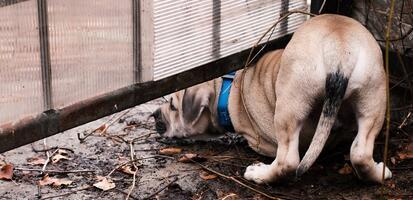
¿Por qué se escapan nuestros perros? ¿Por qué se escapan los perros? Puede haber muchas razones: miedo, pánico, instinto de caza, deseo de acercarse... leer el artículo >>
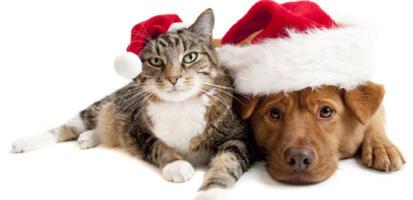
¡Lee esta carta a Santa y piénsalo dos veces antes de regalarle a alguien un animal vivo! Querido Santa. . Me llamo Regalo y... leer el artículo >>
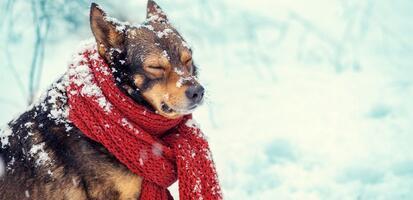
Mientras nosotros, los humanos, nos alegramos cuando finalmente llega el invierno, felices de poder disfrutar de sus muchas atracciones, nuestros amigos de cuatro patas... leer el artículo >>
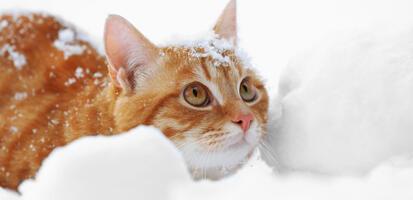
El invierno continúa su ataque implacable - la nieve y el frío son sus armas elegidas. Esta época del año es un período difícil... leer el artículo >>