Current language:
The number of registered
animals is growing every day
Gabinet weterynaryjny
 Polska
Pomorskie
Gdańsk
80-178
Gołuńska
2
- - -
17:00
20:00


Nazywam się Tomasz Kachnowicz. Jako lekarz weterynarii z wieloletnim doświadczeniem (praktykę prowadzę już od 1998 roku, wcześniej wiele lat pracowałem na stanowisku lekarza dyżurnego całodobowego pogotowia weterynaryjnego), wiem, jak ogromne znaczenie w diagnostyce ma szybka reakcja właściciela na niepokojące sygnały i w efekcie natychmiastowa interwencja lekarska. Jeśli zwierzę zachowuje się inaczej niż zwykle, jest osowiałe lub nie ma apetytu, warto umówić się na wizytę w przychodni weterynaryjnej by sprawdzić, co jest przyczyną takiego stanu. Bezdyskusyjnie konsultacjom lekarskim powinny być poddawane zwierzęta, które uległy wypadkom czy zatruciom. Ponadto stałą opiekę weterynarza warto zapewnić również zwierzętom w szczególnie młodym lub zaawansowanym wieku oraz samiczkom spodziewającym się potomstwa.

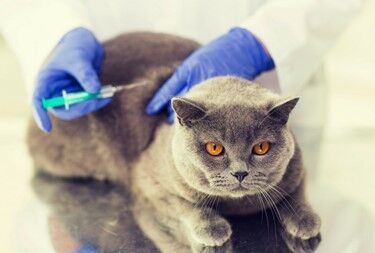
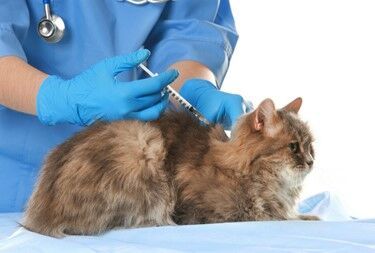
Marking animals with a microchip is the most durable, effective and completely safe method of quick and reliable identification. Every transponder (chip) has a unique number which enables instant identification of the animal and its owner, helping them reunite faster. However, it is important to remember that a chip is just a transponder with an encoded number. It is not a tracking device and contains no data about the animal or the owner! Therefore, in order to identify a chipped dog or cat, it is necessary that a microchip be registered in a national marked animal database...
Read moreIn today's world, responsibility for animal care has become not only a priority for their owners but also a societal issue. One of the most important tools in ensuring animal safety is the chip database. It allows for the quick and efficient recovery of lost pets, which is crucial for protecting their health and well-being.
The introduction of microchipping has significantly improved the effectiveness of efforts to locate lost animals, reducing stress for both owners and their four-legged friends. Registration in the chip database is increasingly required by local regulations, further highlighting the importance of this technology in ensuring comprehensive care for animals.

All kinds of information have been making rounds about the SARS-CoV-2 virus, and the media has been bombarding us with increasingly worrying news about... read the article >>

Cat / Dog missing – Looking for purebred animals. Every day many pet owners have to deal with situations like a missing dog. There... read the article >>

What do the regulations say? As pet owners, we have the right to move freely with our pets. In many countries, there are no... read the article >>
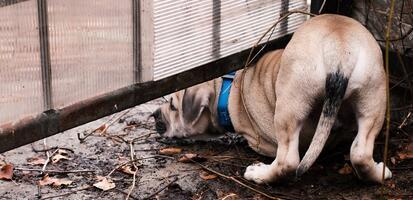
Why Do Our Dogs Run Away? Why do dogs run away? There can be many reasons – from fear and panic, through hunting instincts... read the article >>

Read this letter to Santa and think twice before you give someone a living animal! Dear Santa. . My name is Gift and I... read the article >>

While us humans rejoice when winter finally arrives, happy that we can enjoy its many attractions, our four-legged friends may often find dog winter... read the article >>

Winter continues its relentless attack - snow and cold its weapons of choice. This time of the year is a difficult period for stray... read the article >>