Ilość zarejestrowanych
zwierząt ciągle rośnie
Vetlit Animal Clinic
 Uganda
Central
Wakiso
0000
Lugonvu-Kimbejja road, Namugongo Division.
2150
2150
9:00
23:00

Vetlit Animal Clinic is a high-integrity, client-centered veterinary facility committed to advancing companion animal healthcare standards in Uganda. Located at Plot 2150, Lugonvu Road, off Kimbejja Road in Naalya–Namugongo, Kira Municipality, the clinic is strategically positioned to deliver accessible, responsive, and high-quality veterinary services to a diverse and growing urban population.
At its core, Vetlit Animal clinic operates as a comprehensive animal health ecosystem, offering end-to-end veterinary care across the full clinical spectrum. Its services begin with preventive healthcare, including vaccinations, routine wellness examinations, nutritional guidance, and parasite control, key interventions that form the foundation of long-term animal health. These preventive services are supported by structured diagnostic processes that enable accurate and timely identification of disease conditions, ensuring targeted and effective treatment plans.
The clinic extends its capabilities into advanced therapeutic and surgical care, providing both routine and complex soft tissue procedures under strict clinical and sterility protocols. Each case is managed through a systematic care pathway that includes diagnosis, treatment, post-operative monitoring, and follow-up, ensuring continuity of care and improved recovery outcomes. This integrated approach reinforces both clinical reliability and client confidence.
A key differentiator for Vetlit Animal Clinic is its hybrid service delivery model, which combines in-clinic services with mobile veterinary care. This approach addresses accessibility challenges by bringing professional veterinary services directly to clients’ homes. It is particularly beneficial for multi-pet households, animals that experience stress during transportation, and clients with logistical constraints, ensuring that quality care is delivered consistently regardless of location.
The clinic is led by Dr. Lutebemberwa Isa, a respected veterinary professional with a strong track record in animal health, welfare, and research. Under his leadership, Vetlit Animal Clinic adopts a systems-oriented approach that prioritizes efficiency, continuous improvement, and evidence-based practice. This ensures that all clinical decisions are both scientifically grounded and aligned with evolving global standards.
Vetlit Animal Clinic also emphasizes client education and engagement as a core component of its care model. By equipping pet owners with the knowledge needed to make informed decisions, the clinic fosters a collaborative relationship that enhances treatment compliance and long-term health outcomes. Every interaction is treated as an opportunity to guide clients on preventive care, disease management, and responsible pet ownership.
From a strategic perspective, Vetlit Animal Clinic positions itself as a center of trust, transparency, and clinical excellence. Integrity is embedded in every aspect of its operations, from diagnosis and treatment planning to communication and pricing. Clients can expect clear guidance, ethical decision-making, and a consistently high standard of care.
In addition to clinical services, the clinic contributes to broader public health and animal welfare objectives by promoting vaccination, disease prevention, and responsible pet ownership. This reflects a holistic understanding of veterinary medicine as a critical component of both animal and community well-being.



Elektroniczne znakowanie zwierząt za pomocą mikroczipa jest najtrwalszą, najskuteczniejszą i absolutnie bezpieczną metodą umożliwiającą szybką oraz rzetelną ich identyfikację. Tylko dzięki niepowtarzalnemu numerowi transpondera (chipa) możliwa jest natychmiastowa identyfikacja oraz odnalezienie właściciela a tym samym, powrót zwierzęcia do domu. Należy jednak pamiętać, że sam mikrochip jest jedynie transponderem, w którym został zakodowany numer. Mikrochip nie posiada funkcji namierzania, nie zawiera też żadnych informacji o właścicielu ani zwierzęciu! Aby więc identyfikacja oznakowanego nim psa czy kota była możliwa, konieczna jest rejestracja mikrochipa w krajowej bazie zwierząt oznakowanych...
Czytaj więcejW dzisiejszych czasach odpowiedzialność za opiekę nad zwierzętami stała się nie tylko priorytetem dla ich właścicieli, ale także kwestią społeczną. Jednym z najważniejszych narzędzi w zapewnieniu bezpieczeństwa zwierząt jest baza chipów. Dzięki niej możliwe jest szybkie i efektywne odnalezienie zagubionych pupili, co ma kluczowe znaczenie w kontekście ochrony ich zdrowia i dobrostanu.
Wprowadzenie systemu chipowania znacząco zwiększyło skuteczność działań mających na celu lokalizację zaginionych zwierząt, minimalizując stres zarówno u właścicieli, jak i ich czworonożnych przyjaciół. Rejestracja w bazie chipów jest również coraz częściej wymagana przez lokalne przepisy, co dodatkowo podkreśla wagę tej technologii w zapewnieniu pełnej opieki nad zwierzętami.

Na temat wirusa SARS-CoV-2 słyszeliśmy chyba już wszystko. Media prześcigają się w emitowaniu coraz bardziej niepokojących informacji na temat narastającego zagrożenia pandemią. W natłoku... przeczytaj artykuł >>

Zaginął Kot / Pies - Poszukiwanie zwierząt rasowych. Każdego dnia wielu właścicieli czworonogów mierzy się z problemem, jakim jest zaginięcie psa/kota. Powodów zaginięć może... przeczytaj artykuł >>

Co na to przepisy? Jako właściciele czworonogów mamy prawo swobodnego poruszania się ze swoim pupilem. W wielu krajach nie istnieją ustawy ani też akty... przeczytaj artykuł >>
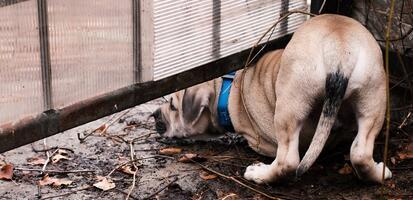
Dlaczego nasze psy uciekają? Dlaczego psy uciekają? Przyczyn może być wiele – od strachu i paniki, przez instynkt łowiecki, potrzebę kontaktu z innym psem,... przeczytaj artykuł >>
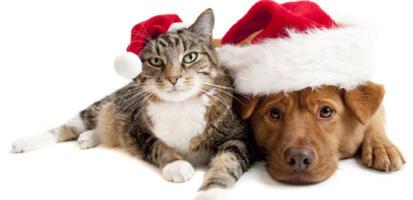
Przeczytaj list do św. Mikołaja i zastanów się zanim podarujesz w prezencie żywe zwierzę! Kochany Święty Mikołaju! . Nazywam się Prezencik i jestem małym... przeczytaj artykuł >>

Podczas gdy my – ludzie, cieszymy się wraz z nadejściem zimy z możliwości korzystania z atrakcji jakie niesie ona ze sobą, dla naszych czworonożnych... przeczytaj artykuł >>
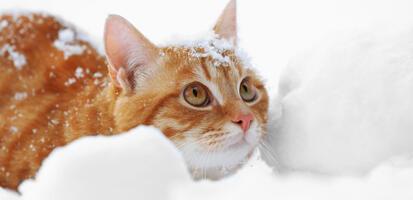
Zima kontynuuje swoje natarcie sypiąc śniegiem i wiejąc chłodem. W tych trudnych dla wolno żyjących kotów dniach, powinniśmy ze szczególną skrupulatnością zwracać uwagę na... przeczytaj artykuł >>